All Activity
- Past hour
-
Most that stay on O2 after the attack is aborted find that 10 minutes seems to be the sweet spot. My advice is to experiment to find what may work for you best. My personal feeling on rebounds like this (totally unscientific, I'm not a doctor) is that either the attack wasn't fully aborted (comes back quickly) or that it's a separate attack that would have happened anyway (comes back after an hour or so). Who really knows for certain?
-
Greetings and sorry they are back - it sucks. My one fall from remission whilst using the D3 regimen saw me find o2 and the cluster o2 kit for the first time - I was getting o2 slap backs but as Bejeeber said that’s not bad to have several hours in between nocturnal attacks, I was aborting in 6 minutes or so and getting a slap back an hour later. An amazing advocate in our community Pete McCormick suggested to try staying on the oxygen for the same amount of time it took to abort the attack but at a lower flow rate, when I did that I found an immediate improvement back to my normal 2-3 attacks per night, aborted and back to bed in around the 15-20 minute mark which was an amazing improvement on previous abortives. I only needed the o2 setup for a total of four days before higher levels of vitamin D3 put me back into remission, thank God. Can’t add much about caffeine suffice to say some warriors use a strong black coffee rather than energy drinks and report it works, if concerned / wary about energy drinks, I know I am. I’d just straight hit up the oxygen upon waking rather than caffeine and save a strong black coffee or otherwise for shadows during the day. All that being said and in lieu of challenges obtaining Emgality, is the vitamin D3 regimen an option for you as another tool to add in the kit?
-
 Buy Snapchat Account changed their profile photo
 -
Buy Snapchat Account joined the community
-
Thanks for the info! Mind if I pick your brain a bit further? 1. "Staying on the O2 longer after the attack is fully aborted...." What's reasonable based on your experience/knowledge? 2. " incorporation of caffeine..." Are we talking like chugging a caffeinated beverage after waking up even though I have intentions of going back to sleep? If yes, what kind of drink are we talking about? I'm weary of drinking "energy" drinks such as monster or other similar products. Thanks for the input!
- Today
-
I've had a similar rebounding experience with O2 aborts of wake up attacks, and have noted others also reporting it enough that it appears commonplace to me. The rebounds can occur as frequently as every hour or so, something I'm personally familiar with. Your 3 hours between rebounds is relatively luxurious, and actually worth savoring from the perspective of some. It could be a good idea to have contingency planning for going with higher O2 flow, and having awareness of advanced breathing techniques and the incorporation of caffeine, just in case your success so far with aborting attacks at 8 liters doesn't hold (I don't wanna go all negative and alarm anyone, but sometimes the 8-10 liters doesn't hold, and beefing things up is required). Staying on the O2 longer after the attack is fully aborted might help extend the time between the wake up rebounds.
-
Hey Erick, Welcome to the family... and we get it! Just know that you're not alone here and there are ALOT of people here that can help. Many, myself included, hop on here regularly during cycles just to talk, vent, express anger, ask for guidance and ... well, just about anything else you can think of. My worst cycle i've ever had was back in 2018 and I was averaging 6-7 a day. It was brutal!! ... Cycles have been easier since then, but they pain is still debilitating. I'm in a current cycle right now having 2-3 a day currently. I take triptans at night. I was also taking Emgality until my insurance company stopped covering them. Ask your doc about Emgality. It has helped me previously. it seems to lessen the frequency of attacks... and I was JUST recently prescribed oxygen and I received my first tanks last night... i'm experiencing cluster "rebounding" now. I have a forum that I just posted today asking for more info and advice. Overall, we're here for you brother! Reach out anytime if you just want to BS.
-
Hey Mike, I hate that for you, brother! I get it though.. .Like you, I also kinda disappear from the forums when I'm cluster free. I always find my way back when I go through a cycle though... Like right now... But I wanted you to know that I've had a good amount of success so far with Emgality. I started taking it a little over a year ago and I think it's been working quite well. I still have attacks, but not as many as I would if i was not taking Emgality... Though... Cigna JUST dropped covering it as of last week... Soooooo.... Fun times. Good luck to you though and feel free to reach out anytime! My current cycle is just starting so I suspect I'll be on here frequently over the next few months. Take care,
-
 berksremoval joined the community
 -
Hey all! I hope you are all well and relatively cluster free/remission... I have some good news, and some bad news. Good news: After years of asking and pushing for oxygen therapy, I was FINALLY given a prescription! Dr. put me on 8-10 l/m for 5-15 minutes. Bad news: This is two fold. First, my insurance through Cigna is now denying my prescription for Emgality. I've been on it for over a year and it has helped tremendously! Now that Cigna won't cover it any longer, I won't be able to take it. I can't afford $800/shot... Second, (i'm hoping some of can help me out with this one....) the oxygen therapy caused what I'm reading as a "rebound" effect. Can someone educate me further on this? I received my first tanks last night around 6pm. At 9:50pm, I started feeling the initial pain of a cluster coming so I figured it was time to give the oxygen a try. I followed the prescribed amount and started at 8 liters... the pain was gone within about 7 mins! Halleluiah! ... But there's a catch... I woke up in the dead of night around 3am with a hard hitting attack. I immediately went to the oxygen and breathed again the prescribed amount. Same, it went away in under 10 mins of breathing. Went back to sleep... Sure as shit, 645am comes along and I wake to ANOTHER cluster. What happened?! Up until last night, i was having avg 2 a day: 1 shortly after lunch time frame and another just before bed(9-10pm). I've had attacks in rapid succession before in the past, but it's been a long time! The worst cycle I've had was back in 2018 time frame and I peaked at 6-7 attacks/day... I haven't had attacks in rapid succession like that since then. I did a quick google search this morning and briefly read something on the "Google AI" that cluster rebounding can occur with oxygen therapy. I decided to post on here to gain additional information. Thoughts? Suggestions? Past experience?? *Side note* ... Is Oxygen always that cold coming out?! Yeesh!!
-
 7MCN joined the community
 -
Last autumn/winter we ran a survey to gather data on human suffering from a range of conditions and experiences, and you were kind enough to participate by reflecting on your own suffering and providing responses, for which we are grateful. Some of you gave detailed descriptions, all of which were read. We have now finished analysing the data and have written it up in a new post on the Effective Altruism Forum, which you can find here: https://forum.effectivealtruism.org/posts/hTGScBoBDKwmAcGP6/how-to-quantify-global-human-suffering-results-from-opis-s We included some of the text descriptions, which convey a sense of what some of the suffering is like, beyond the numbers. Of course there was no identifying information disclosed. We plan to submit a reworked version to an academic journal, making the case for suffering metrics and for a larger survey that builds on what we learned from this first one. Our goal is for the prevention and alleviation of suffering, and especially severe and extreme suffering, to become a top priority of our governments at all levels. If you’re interested, you can also have a look at our recently published Compassionate Governance: A Strategic Guide to Preventing and Alleviating Global Suffering. Many thanks again, and wishing you to be free of suffering, Jonathan
-
 Waren joined the community
 -
 s8galaxysitee joined the community
 -
 xoilacaddd joined the community
 -
.thumb.jpg.2409cc9a1417959272499aea60afab85.jpg) 789betagency4 joined the community
789betagency4 joined the community -
 xoilactvaad joined the community
 - Yesterday
-
Clusterbusters Executive Director and some board members will be in Scottsdale, Arizona this week. First a CHAMP Coalition meeting and then the American Headache Society Meeting- many of our favorite clinicians will be speaking! Looking forward to hearing updates and getting more ideas of ways to help our community. https://headachemigraine.org/coalition/ https://americanheadachesociety.org/events/2025-scottsdale-headache-symposium/agenda
-
- 2
-

-
 iuu88net joined the community
 -
 Schalk joined the community
 - Last week
-
 af88center1 changed their profile photo
 -

Oral + Gut Dysbiosis in Migraine: 2020-2025 Research
Craigo replied to Craigo's topic in Migraine General Board
Another review on this subject published a few days back.. A review on gut microbiota and migraine severity: a complex relationship Noha M. Gamil, Rana M. Ghorab, Reham Z. Elsadawy, Nada M. Khadrawy, Mohamed Abdelhamid, Khalid A. Ismael, Omar A. Mohamed, Mohamed M. Ata, Habiba T. Jalal, Joumana E. Zeidan, Reem T. Rashed & Riham A. El-Shiekh Springer Nature Inflammopharmacology Published: 27 November 2025 The gut-brain axis plays a vital role in migraine pathophysiology. Studies highlight reciprocal interactions between the central nervous system and the gastrointestinal tract. Previous research suggests that factors such as gut microbiota profiles, inflammatory mediators, neuropeptides, serotonin pathways, stress hormones, and nutritional substances influence this interaction. The pathophysiology of migraine has been linked to changes in the gut-brain axis, which affects migraine severity and frequency. Additionally, dietary approaches, including the ketogenic diet, vitamin D supplementation, omega-3 intake, probiotics, and weight loss plans, have shown promising effects in reducing migraine symptoms by positively impacting the gut microbiota and the gut-brain axis. Understanding these connections could lead to novel therapeutic strategies for effectively managing migraines. It is worth noting that research highlights several innovative treatments for migraine, such as Zelirex and Cevimide, implantable devices like Cefaly and Revilion, and new effective routes of administration for Sumatriptan. Finally, patients’ perspectives and concerns were thoroughly discussed, with a focus on future directions in the migraine-gut axis research. -
Notebook LM Audio Summary Podcast Generation (AI generated). Cluster_Headaches_Solved_Dual-Target_Neuromodulation.m4a
-
Update of Seven Cases of Refractory Cluster Headache Treated with Combined Occipital Nerve and Sphenopalatine Ganglion Stimulation with Good Mean Outcome in a Long Term Follow Up Juan Carlos Mario Andreani, Fabián Piedimonte, Osvaldo Bruera, Marco Lisicki, Diego Bashkansky Published Vol. 19 in NeuroTarget 2025 Link: https://doi.org/10.47924/neurotarget2025549 Abstract: Cluster headache (CH) is an extremely debilitating and often difficult-to-treat headache disorder characterized by recurrent attacks of excruciating pain associated with cranial autonomic symptoms. Several invasive neuromodulation procedures have been evaluated in the past, but the combination of these procedures to maximize response has not been studied in groups of patients. This presentation aims to describe an update on the evolution of cases based on a recent publication of ours. This single-center, retrospective, observational study included seven patients (3F/4M) suffering from CCH, according to the diagnostic criteria of the current International Classification of Headache Disorders, and considered refractory based on the Consensus Statement of the European Headache Federation. Between February 2010 and March 2021, these patients underwent implantation of electrodes for SPG and greater occipital nerve (GON) stimulation ipsilateral to the side of the pain. The mean follow-up time was 6.38 years ± 3.6. Six out of the seven patients (86%) experienced good-to-excellent initial pain relief, defined as ≥50% reduction in VAS scores compared to baseline, with marked improvement in attack severity and functional impact. Almost complete remission of symptoms was achieved in most cases. Multiple techniques have been proposed to control CH symptoms. Here we report, for the first time, that combined invasive SPG and GON neurostimulation significantly and enduringly improves CCH symptoms in a series of refractory patients. The relatively low number and severity of complications suggest a favorable risk-benefit profile. Synergistic invasive SPG-GON stimulation appears to be a relatively safe and promising alternative for effective and long-lasting control of CCH.
-
 88ibetlive changed their profile photo
 -

Migraines since 2001. Can mushrooms help me?
Kevin Kelly replied to Kevin Kelly's topic in Migraine General Board
Thanks for the reply. I appreciate the advice. Actually any advice is appreciated ! Anyone else out there have any suggestions? I'm trying to get more information on dosing. How much to start?? I'm thinking .2 grams. Have purchased a good scale and am looking at BMK and Ghost/Blue Meanies to start. Any comments ? -
 888P changed their profile photo
 -

Migraines since 2001. Can mushrooms help me?
Topher replied to Kevin Kelly's topic in Migraine General Board
Yes, they work. The anti-inflammatory impact is significant. I also do not have a cluster headache. I have had a constant headache, 24/7/3365, always, even while sleeping, since 7:34 am March 16th 2009. Botox takes 2-3 points off of the pain. Qulipta takes 2-3 points off of the pain. Shrooms, get rid of 75% of the pain for me. It is not fun. S&S is critical. Knowing the strain and dose is critical. Knowing what you are doing before you do it is critical. Where to get the information, not sure, the government does not allow proper research. Not in grams, but on potency. Some have 1,000 units, some have 19,000 units, per gram. Watch every video you can. - Earlier
-
Oral + Gut Dysbiosis in Migraine: 2020-2025 Research
Craigo replied to Craigo's topic in Migraine General Board
Notebook LLM Audio Summary Podcast Generation (AI generated). Leaky_Gut_Causes_Chronic_Migraines_and_Pain.m4a -
Oral + Gut Dysbiosis in Migraine: 2020-2025 Research
Craigo posted a topic in Migraine General Board
In lieu of a recent article I wrote exploring the literature that may support dysbiosis in cluster headache (check general board), a number of parallels were cautiously drawn from emerging migraine literature, which I thought worth sharing in one place here on the migraine board. These recent studies explore the emerging role of dysbiosis as a causative factor in migraine pathogenesis, exploring potential links via the gut-brain axis, microbial imbalance and therapeutic interventions like probiotics or faecal microbiota transplantation (FMT). Whilst I don’t suffer from migraine myself, having read this body of work, if I did I think it would be a fair and reasonable question to be asking: “Do I have dysbiosis, and if so, what can I do about it?” None of the papers below explore the role of optimised nutrition in detail, nor do they touch on two of my favourite patient-led protocols that are known to reshape the gastrointestinal environment and microbiome - high-dose vitamin D and psilocybin - but the door remains open for those avenues to be investigated (and hopefully discussed here). Happy reading – welcome your comment and you’ll find a NotebookLM audio summary generation below if you’d rather listen to a podcast rather than read studies. I have offered the links to the articles and a short generated summary snippet - any of the articles are behind a paywall and you’d like me to shoot you off a copy please reach out via DM. Gut microbiota dysbiosis enhances migraine-like pain via TNFα upregulation Published January 2020 https://doi.org/10.1007/s12035-019-01721-7 Yuanyuan Tang, Sufang Liu, Hui Shu, Lora Yanagisawa, Feng Tao Key finding: Antibiotic-induced dysbiosis and germ-free status markedly worsen nitroglycerin-triggered migraine-like pain in mice through TNFα-mediated trigeminal sensitisation; probiotics reverse the effect. The association between migraine and gut microbiota: a systematic review Published April 2023 https://doi.org/10.1007/s13760-025-02779-y Alon Gorenshtein, Kamel Shihada, Liron Leibovitch, Tom Liba, Avner Goren Key finding: Consistent reduction in anti-inflammatory genera (especially Faecalibacterium) and increased Veillonella in migraineurs; overall picture of dysbiosis and reduced diversity. A causal effect of gut microbiota in the development of migraine Published July 2023 https://doi.org/10.1186/s10194-023-01609-x Qiang He, Wenjing Wang, Yang Xiong, Chuanyuan Tao, Lu Ma, Junpeng Ma, Chao You, and The International Headache Genetics Consortium Key finding: Mendelian randomisation evidence of causal links from multiple bacterial taxa (including Bifidobacteriaceae) to migraine, migraine with aura, and migraine without aura. Making migraine easier to stomach: the role of the gut–brain–immune axis in headache disorders Published 2023 https://doi.org/10.1111/ene.15934 Marissa Sgro, Jason Ray, Emma Foster, Richelle Mychasiuk Key finding: Narrative review emphasising that a diverse, healthy microbiome is required for optimal brain health and that dietary manipulation is a logical therapeutic lever. Migraine as a Disease Associated with Dysbiosis and Possible Therapy with Fecal Microbiota Transplantation Published 14 August 2023 https://doi.org/10.3390/microorganisms11082083 Ágnes Kappéter, Dávid Sipos, Adorján Varga, Szabolcs Vigvári, Bernadett Halda-Kiss, Zoltán Péterfi Key finding: Explicitly proposes fecal microbiota transplantation as a future therapeutic option for migraine on the basis of restored serotonin signalling and reduced neuroinflammation. Linking Migraine to Gut Dysbiosis and Chronic Non-Communicable Diseases Published 11 October 2023 https://doi.org/10.3390/nu15204327 Manuela Di Lauro, Cristina Guerriero, Kevin Cornali, Maria Albanese, Micaela Costacurta, Nicola Biagio Mercuri, Nicola Di Daniele, Annalisa Noce Key finding: Places gut dysbiosis at the centre of a bidirectional relationship between migraine and cardiometabolic disorders; advocates nutritional and lifestyle approaches to restore eubiosis. Lipopolysaccharide, VE-cadherin, HMGB1, and HIF-1α levels are elevated in the systemic circulation in chronic migraine patients with medication overuse headache: evidence of leaky gut and inflammation Published 2024 https://doi.org/10.1186/s10194-024-01730-5 Doga Vuralli, Merve Ceren Akgor, Hale Gok Dagidir, Ozlem Gulbahar, Meltem Yalinay, Hayrunnisa Bolay Key finding: First human evidence of raised circulating LPS and leaky-gut markers in chronic migraine + medication-overuse headache, directly implicating intestinal hyperpermeability. The Brain, the Eating Plate, and the Gut Microbiome: Partners in Migraine Pathogenesis Published 11 July 2024 https://doi.org/10.3390/nu16142222 Parisa Gazerani, Laura Papetti, Turgay Dalkara, Calli Leighann Cook, Caitlin Webster, Jinbing Bai Key finding: Strong call for personalised dietary and pre/probiotic interventions; highlights bidirectional influence between diet, microbiome, and migraine susceptibility. Oral and Gut Dysbiosis in Migraine: Oral Microbial Signatures as Biomarkers of Migraine Published 2025 https://doi.org/10.1212/NXI.0000000000200437 Soomi Cho, Yeonjae Jung, Hyun-Seok Oh, Jungyon Yum, Seungwon Song, JaeWook Jeong, Woo-Seok Ha, Kyung Min Kim, Won-Joo Kim, Min Kyung Chu Key finding: Oral dysbiosis is even more pronounced than gut dysbiosis in migraine; specific oral microbial clusters predict migraine status with high accuracy and correlate with headache frequency. Unravelling the gut–brain connection: a systematic review of migraine and the gut microbiome Published 3 April 2025 https://doi.org/10.1186/s10194-025-02039-7 Caroline W Mugo, Ella Church, Richard D Horniblow, Susan P Mollan, Hannah Botfield, Lisa J Hill, Alexandra J Sinclair, Olivia Grech Key finding: Synbiotic and combined probiotic–synbiotic regimens consistently reduce attack frequency, severity, duration, and analgesic consumption in randomised trials. Gut microbiota, probiotics, and migraine: a clinical review and meta-analysis Published 12 September 2025 https://doi.org/10.22514/jofph.2025.043 Olga Grodzka, Izabela Domitrz Key finding: Meta-analysis of RCTs confirms probiotics significantly lower migraine frequency; effect on severity approaches significance despite limited trials. -
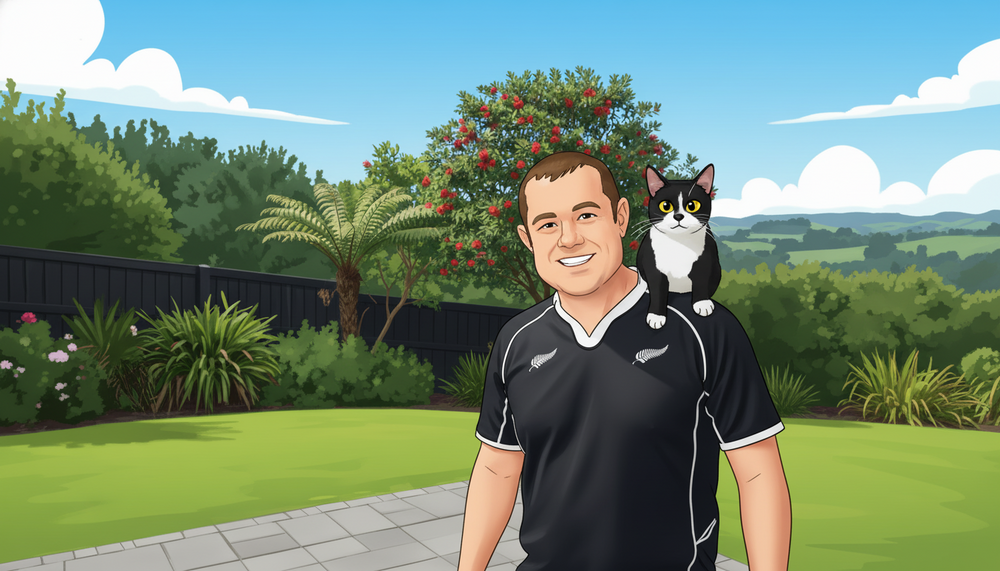
Two useful tools I wanted to share for anyone here who keenly follows research on cluster headaches, migraine or anything for that matter. The first is Harzing’s Publish or Perish. It is a free citation analysis program that lets you easily search scientific literature across a range of journal sources. Link: https://harzing.com/resources/publish-or-perish The second that I am really loving at the moment is Google’s NotebookLM. It allows you to upload papers, PDFs, and links, then ask structured questions and generate summaries, comparisons and notes directly from your sources. For anyone trying to understand mechanisms, track themes across papers or just stay organised while reading, it is extremely handy. Link: https://notebooklm.google Both tools make it easier for patients who like to follow the science closely to evaluate studies and stay on top of emerging research. If anyone wants a quick explanation of how to use either tool for cluster headache-related topics, I am happy to share examples. The last tool - bonus lol, I went looking for something to match CHFathers cat picture in a recent AI post - found another Google tool. An experimental tool for visual exploration: you input images for subject, scene, style and the system remixes them into new visuals - here's what I got for my new CH Forums profile pic - I am here to stay now! https://labs.google/fx/tools/whisk
-
- 2
-

-
-
Hey Kevin. To my knowledge there is no specific migraine busting protocol. FunTimes offered a solid reply to your earlier post on the general board and the key information regarding the process is on the following page. https://clusterbusters.org/resource/alternative-treatments/#busting You might find the Yale psilocybin migraine study useful to look at as the dose they used somewhat correlates to the Cluster Busters range, if I am correct They gave 0.143 mg/kg of pure psilocybin and when you apply a conversion factor for Psilocybe cubensis potency (roughly 0.8 percent psilocybin by dry weight with variance as to strain, when it was picked and even which part of the fruit) that works out to the same content found in about 1.5 g of dried cubensis - give or take, maybe a little less. The key difference is that the study used one single dose followed by a two-week observation period whereas cluster warriors traditionally repeat doses every five to seven days. https://www.sciencedirect.com/science/article/pii/S187874792301214X My personal thoughts - start a bit lower than the typical 1.5g dried cubensis mushroom to get accustomed to the feeling, I quite enjoy the euphoria and introspection and find it doesn’t last too long before I’m hungry and tired. For what it’s worth a quick scour of the literature found the most recent paper with title including "migraine" "psilocybin" - a case report of a single male migraineur in his 30s whom used psilocybin alongside otc pain relief at 1.2g dried as an acute treatment with greater reported efficacy than pain relief alone. https://pmc.ncbi.nlm.nih.gov/articles/PMC10561985/ You may find another popular treatment option used by members of the CH community worth a look-in whilst you are here, the Vitamin D3 Anti-Inflammatory Regimen. You’ll find the information here or collated by myself and Pete Batcheller over at www.vitamindregimen.com I would say that given a sensible approach and applying the protocols as per the guides, IMHO both of these patient led avenues are generally safe and worth investigating - in any event a walk down the unknown path can cause a bit of anxiety so good luck as you navigate - I remember being nervous as heck in 2015 when I started the D3 regimen against my Doctors best recommendations and yet 8 days later things took a turn for me, I cried like baby, hugged wifey and got my life back - 10 years later I think there is still a part of me that is in disbelief that it actually worked and I only wish that could be the same for everyone. Whilst I have had success with D3, I found a penchant in the hobby of mycology, I have a wonderful big laminar flow hood that takes up our spare room and all the mycological tools to grow wild and wonderful varieties from "cubes" to turkey tails and beyond - and have done so over the years with great success, it is a fascinating and wildly fulfilling hobby with lots of highs (no pun intended) and lows of the process. It isn't a fast thing either and after weeks, sometimes months of cultivation to have a fruiting body appear overnight is awesome or to awake one morning after the same period to find dreaded trichoderma has destroyed all your hard work is devastating! Still, well worth it for the journey and knowledge learned! Were there any specific questions you wanted answers to, I’m sure we will do our best to help. Best wishes to you. Cheers, Craig.
-
 pg88tdcom changed their profile photo
 -
 keonhacai88site changed their profile photo
 -
I see the kitty in your profile pic now @Craigo
-
Craigo changed their profile photo
-
Hi Nut cluster. I’m clearly not female (I missed the social cues upon joining the forum regarding using a cat as my profile picture), I don’t have much to add regarding estrogen but I have always been intrigued with vitamin D biology during pregnancy and your post captured my interest so please excuse me if this is a little off topic but wanted to share. Cholecalciferol / vitamin D3 is converted via hydroxylation into the blood storage form calcifediol which is then further converted into its hormonal form, calcitriol, mostly (but not exclusively) by the kidneys. The blood level of calcitriol is maintained in a strict range to maintain calcium homeostasis and is regulated by parathyroid hormone. During pregnancy the levels of calcitriol, the hormonal form, increases by double or triple to levels you’d see in granulomatous disease or intoxication but without hypercalcemia. The body deliberately raises both calcitriol and binding proteins in order to support placental development, immuno-regulation and fetal skeletal growth. The levels then fall back into normal range 2-6 weeks postpartum. There is still much we don’t understand about this intriguing process. It’s interesting that many female warriors report skipping cycles during pregnancy and to also consider why they return postpartum (and perhaps also why MS relapse may occur postpartum), and although tempting to speculate it may have something to do with the increase in calcitriol and its immuno-modulatory properties, probably an oversimplification - the body is just so complex. Dr. Hollis & Dr. Wagner have a combined century or so of research looking at vitamin D and reproductive outcomes, this was a great talk from last year although can’t recall if they cover the specifics of the points above.
-
Hey everyone I’ve had a look through old posts and nothing really recent is coming up and not all experiences are in the same place so thought I would start a new thread to help us all figure out how hormones may impact CH. Whether you’re male/female/trans (saw that trans people have particular insights on this topic in old threads) what are your experience in this regard? So, here’s what’s going on for me atm. I’m female, early 40s and the last couple of years my CH have been less frequent. Usually I get them every year at around this time (I’m in the UK and it tends to link to daylight saving). Over the years (about 20) they have switched between the other clock change in about April but usually not more than one cycle per year. During pregnancy I didn’t have them, but both pregnancies were Jan-Sept so not during Oct clock change. However, about 2 weeks after both pregnancies I got hit (as you can imagine, my sleep was bad during that cycle). This last few years I’ve skipped a clock change and the headaches have shifted to the next one. So instead of going a year I’m going 18 months remission. It has now been 19 months since my last attack and I have only had a couple of possible shadows (those that usually indicate the start of a cycle but it hadn’t followed the pattern which is to be like that every day until the start of the bad ones). Hoping that they’re gone for good but thinking it may be linked to a drop in estrogen. I have also noticed other symptoms which could indicate a drop in Estrogen (oestrogen in case anyone is searching). My worst headache cycle was a year I got a contraceptive implant (which I had taken out because the correlation with intensity was so strong) so I’ve always thought hormones may influence the severity of the cycle. I am obviously very happy that the CH might be stopping but I may also need to address other symptoms that are starting to bother me. Naturally I am trying to avoid doing anything that will bring back CH. Can anyone else share any experiences at all which may be linked to hormones so we can have them all in one place for anyone looking? Whether you come across this thread today, or in 10 years from now add your thoughts so we can learn as much as possible about this condition!
-
Hi all! I'm considering starting a new local/regional support group for Illinois since we have a conference every other year in Chicago. Any ideas on days/times that would be good for attendance? Would a 6pm CT or 7pm CT on a weekday work well or a weekend day/time? I'd like to be able to advertise something like the 2nd Thursday of the month at 7pm type of time so it's consistent. Open to ideas and I'll lead it until someone else feels comfortable and I will always be available for support. Just thought this might be helpful and if there are people who have an idea of another location that could use a virtual/zoom support group, let me know. We have California and Texas and both have been really amazing groups.
-
- 2
-
-
I too am looking for more information on the "mushroom cure" as you call it or treatment as someone else mentioned. I have tried posting and asking for general information, but so far only one person has responded to me. I have had migraines since 2001 due initially to a spinal fluid leak. I don't have cluster headaches, and my leaks have been sealed at Duke University Hospital in NC, but I'm still suffering, possibly due to a pain cycle that I've been in for so long. My brain just thinks I'm not safe, so it continues to send pain signals to my nervous system. Have seen many of the best neurologists on the east coast and tried many medications but never mushrooms. Would really appreciate any basic information from someone with migraines who has tried mushrooms and received a benefit. I'm reading some of the other posts trying to glean information and create a plan of action, but as a newbie, it's difficult to figure out where to start. How did you all get started? Do I just have to read more and teach myself? Would really appreciate some input or guidance. This forum was suggested to me by my neurologist who felt that mushrooms might help me, so I'm determined to try them. Just not sure how to go about it yet. Thanks in advance
-
Migraines since 2001. Can mushrooms help me?
Kevin Kelly replied to Kevin Kelly's topic in Migraine General Board
Was hoping I would get some responses from the group. Is there anyone out there that can steer me in the right direction? There seems to be so much information to digest as a newbie. My goal is to find out the quickest way to get started experimenting with mushrooms and what the ground rules are. I read the info within the blue banner and read the newbie page. Just hoping for some input from members of this group who might be able to share some advice or experiences. Thanks -
This is my first post to the group. I actually posted it over on the Clusterbusters side, but they referred me here. So maybe someone on the migraine side of the forum can help me out. After meeting with my neurologist at Yale New Haven hospital today, he suggested that I try asking some questions about taking mushrooms for headaches in this forum. He seemed to think that there was some validity to the use of mushrooms for chronic migraine. I do not have cluster headaches, so will clarify that right away. I have, however, suffered from migraines since 2001 when II was diagnosed with a spontaneous spinal fluid leak. Worst pain I could imagine for about 6 weeks. Bedridden. Eventually things improved, but have never resolved, so I have been searching out specialists from Hartford Hospital in CT to The Philadelphia Headache Center in PA to Yale New Haven in CT. I recently made 4 trips in 6 months to Duke University Hospital in NC earlier this year where the fabulous doctors there found a particularly troublesome leak called a venous fistula, actually several of them. They were repaired and I felt better for about 10 days, then the headaches returned. So, my working theory is that my brain has become accustomed to sending pain signals to my nervous system, even without a physical malady. I am now doing EMDR therapy and trying various anti-anxiety medication to try to break the pain cycle. Some progress has been made, but I am far from where I want to be, thus my post. I'm wondering if there is someone out there who might be able to guide me in this new world of potential treatment using mushrooms. I know next to nothing about them, though have tried them in college many years ago (I am 65 now). Thanks for your attention and I look forward to having a conversation about how to move forward.